

Crossroads Roundup: How the Pyramids Were Built, the World's Oldest Calendar, and a Medieval Village Found in Munich
My favorite stories on art, archaeology, folklore, and more from this past week.

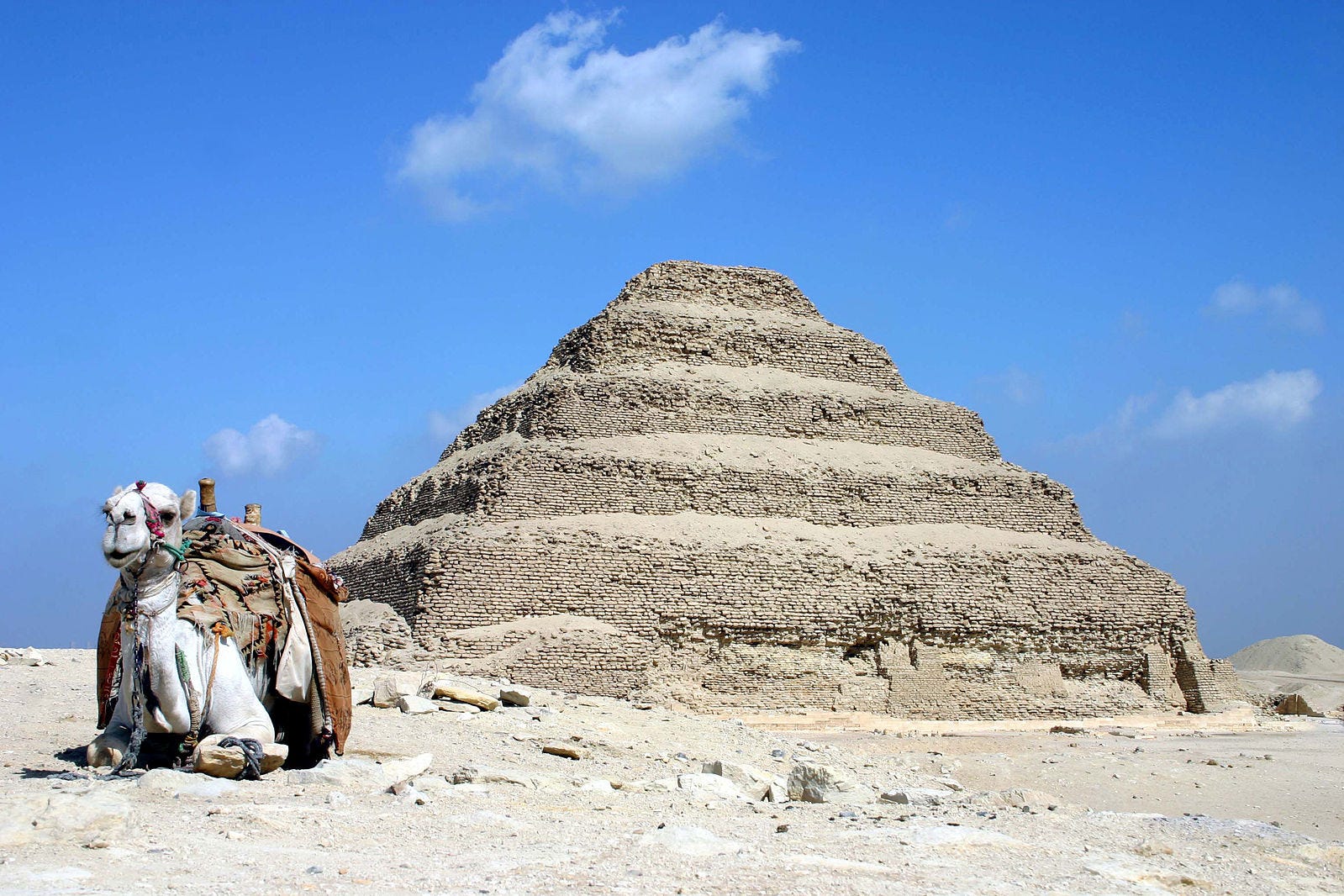

How were the pyramids built? Researchers may be one step closer to solving archaeology’s enduring mystery (though not without controversy).
Back in May, I shared the news that researchers had discovered a now-extinct branch of the Nile River, along which the pyramids of the Old and Middle Kingdoms were constructed. This discovery was a major step forward in solving the centuries-long puzzle of how the pyramids were built.
This week, I came across a related study from PLOS One, in which its authors theorize that hydraulic force may have been used to build the Step Pyramid of Djoser in Saqqara. The Step Pyramid is the oldest major stone building in Egypt, designed by the architect and physician Imhotep and constructed from 2670-2650 B.C. (during the Third Dynasty).
The study’s authors argue that ancient Egyptians could have used hydraulic lifts to carry the 650-pound stones (about 300 kilos) in order to construct the Step Pyramid. It is true that the Egyptians used hydraulic power to build other structures, but as this article from the Smithsonian Magazine details, not everyone is convinced.
In reference to the theory of a hydraulic lift system being in use, Cambridge geoarchaeologist Judith Bunbury stated:
While information from this period is sparse, it is not absent, and it is surprising when so many other details of daily life and technologies are recorded in the Old Kingdom tomb scenes and texts like the Red Sea Scrolls, that this type of device is omitted if it were in use.
Others, like archaeologist Julia Budka of Ludwig Maximilian University of Munich, expressed skepticism regarding the expertise of the study’s authors:
My biggest concerns about the study are that no Egyptologists or archaeologists were directly involved and that the authors actually question the use of the Djoser Pyramid as a burial site. Scientifically, their hypothesis is not proven at all.
(This study was conducted not by a university, but by a private research institute called Paleotechnic.)
I’ll be curious to see how this story develops over the coming months…
Could this be the world’s oldest calendar?
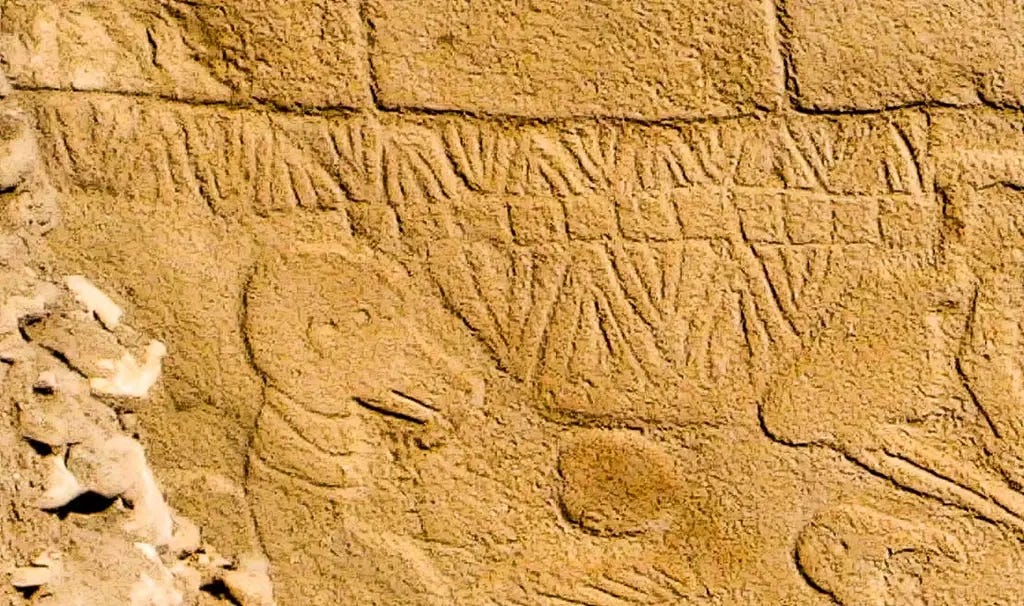
Archaeologists at the Göbekli Tepe site in Turkey have found what they believe to be the world’s oldest calendar, which records a comet strike that occurred 13,000 years ago. Göbekli Tepe is a Neolithic settlement that was inhabited from roughly 9500-8000 B.C. (This would mean that the comet strike occurred about a thousand years before this calendar was created.) This particular comet strike led to a mini Ice Age and forced early humans to shift from hunter-gatherer to agricultural societies; it’s possible that the residents of Göbekli Tepe were trying to record this phenomenon.
Incredibly, the calendar tracks both lunar and solar movements, making it the oldest known lunisolar calendar in the world. According to lead author Dr. Martin Sweatman from the University of Edinburgh:
It appears the inhabitants of Göbekli Tepe were keen observers of the sky, which is to be expected given their world had been devastated by a comet strike. This event might have triggered civilization by initiating a new religion and by motivating developments in agriculture to cope with the cold climate. Possibly, their attempts to record what they saw are the first steps towards the development of writing millennia later.
A construction crew stumbles upon a lost medieval village in Munich, Germany.
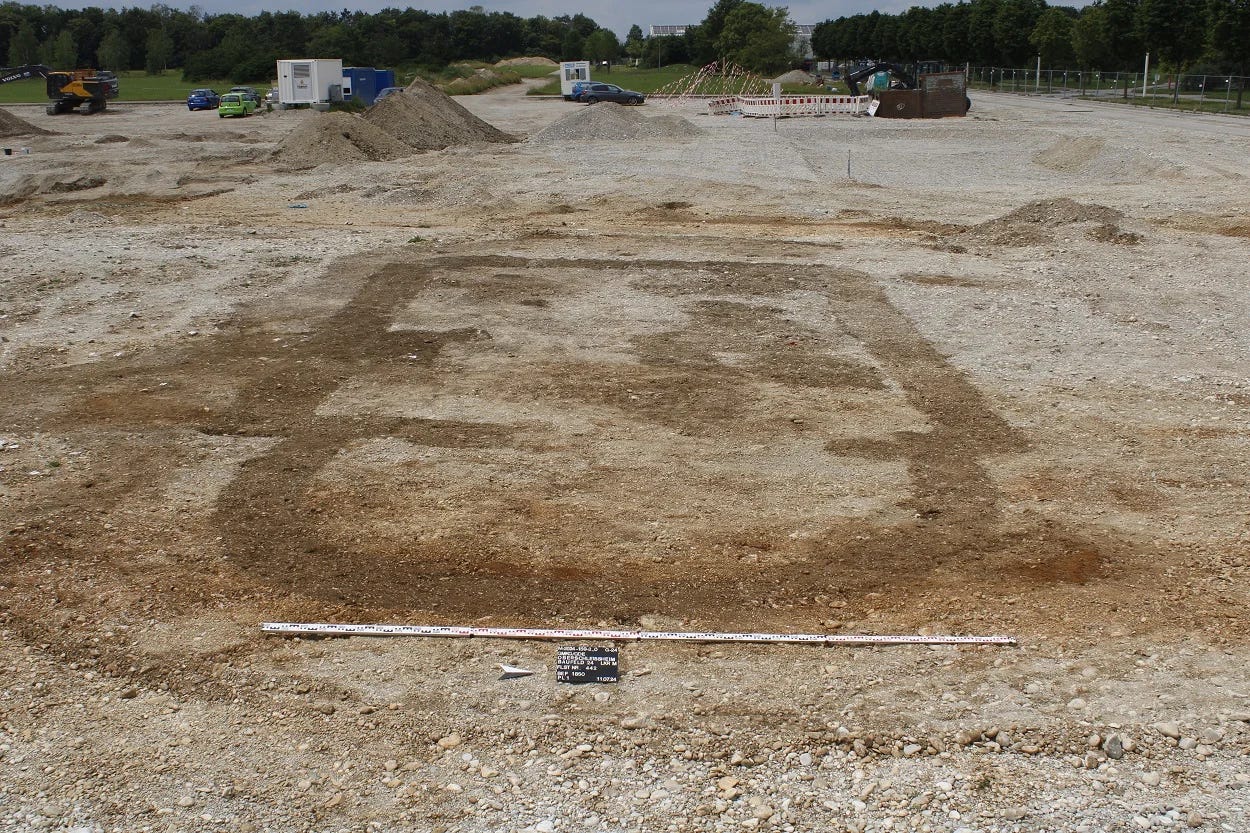
A construction crew from Germany’s Federal Office for Radiation Protection was working on a job site in Munich when they discovered the remains of a medieval village. Archaeologists have since confirmed that the site was occupied from the 9th to 13th centuries before being abandoned, likely because of the Black Death. (The Black Death, or the bubonic plague, arrived in the region around that time.)
The next step will be to study the village’s burial sites to determine if the plague wiped out the village. Researchers from the Bavarian State Office for Monument Protection will also analyze soil samples to see if environmental factors are to blame for the village’s abandonment. The hope is that this site will give historians further insights into the founding of Munich.
A few more stories that may interest you…
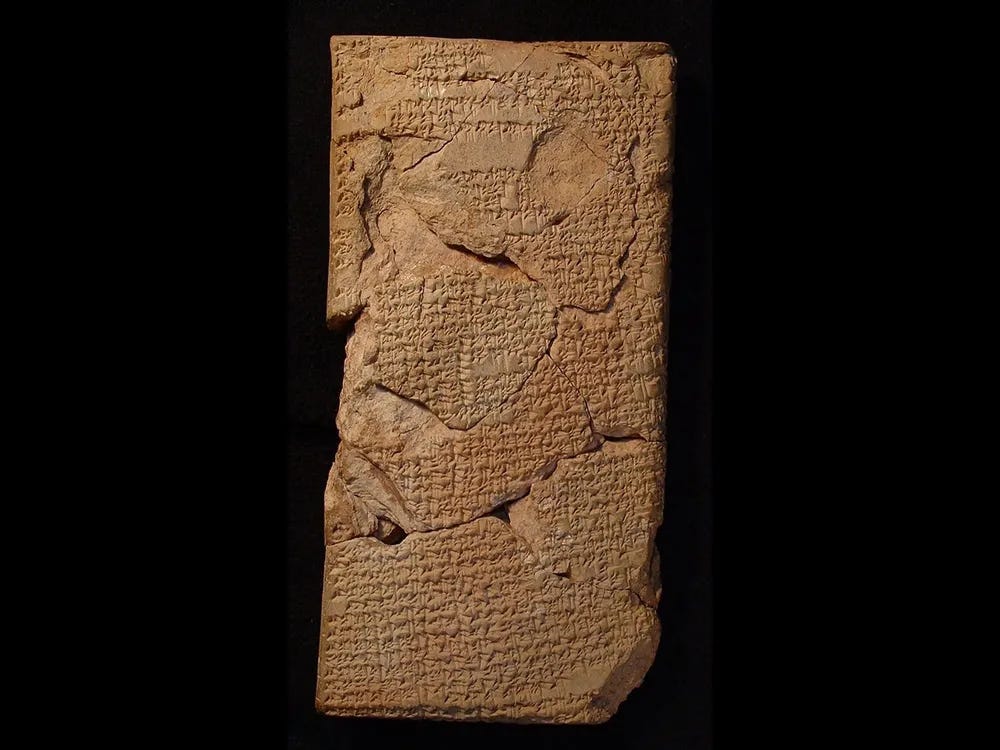
Human civilizations have often looked to the stars for answers, and the ancient Babylonians were no different. I enjoyed this story about recent analysis of Babylonian cuneiform tablets, which reveal that the Babylonians used lunar eclipses to create prophesies. These Old Babylonian tablets are over 4,000 years old, making them the oldest known examples of lunar-eclipse omens.
We also have an update on July’s story about the Bronze Age axeheads that were anonymously mailed to the National Museum of Ireland. A farmer named Thomas Dunne identified himself as the owner of the field where the axeheads were found.
Lastly, for five days in a row, new Banksy murals appeared around London. All of the murals feature animals, though the meaning of his “zoo series” is unclear.