

Crossroads Roundup: Paris Olympics, Operation Pandora, and NYC Ballet Turns 75
My favorite stories on art, archaeology, folklore, and more from this past week.

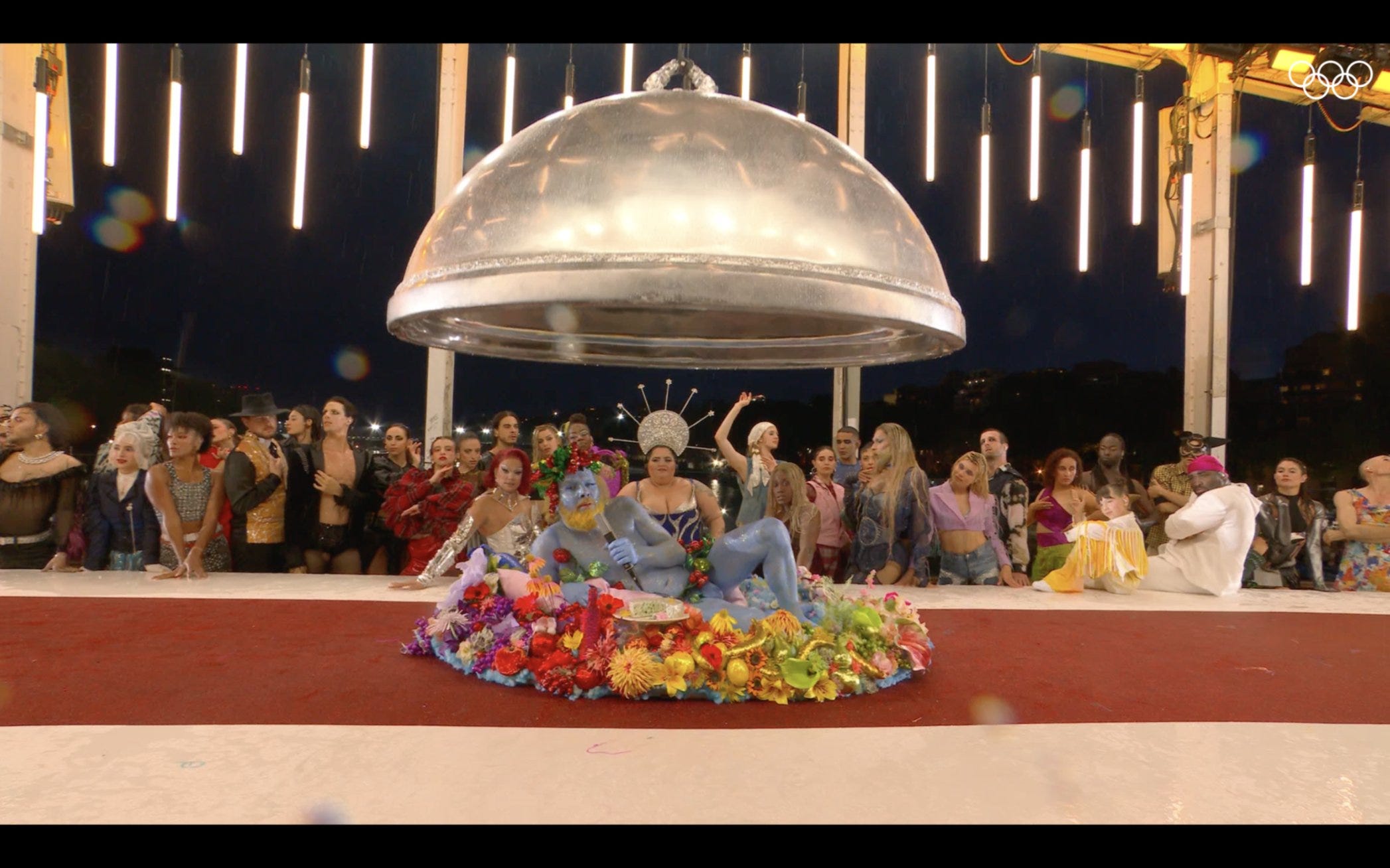
Paris Olympics: art, controversy, and Dionysus.
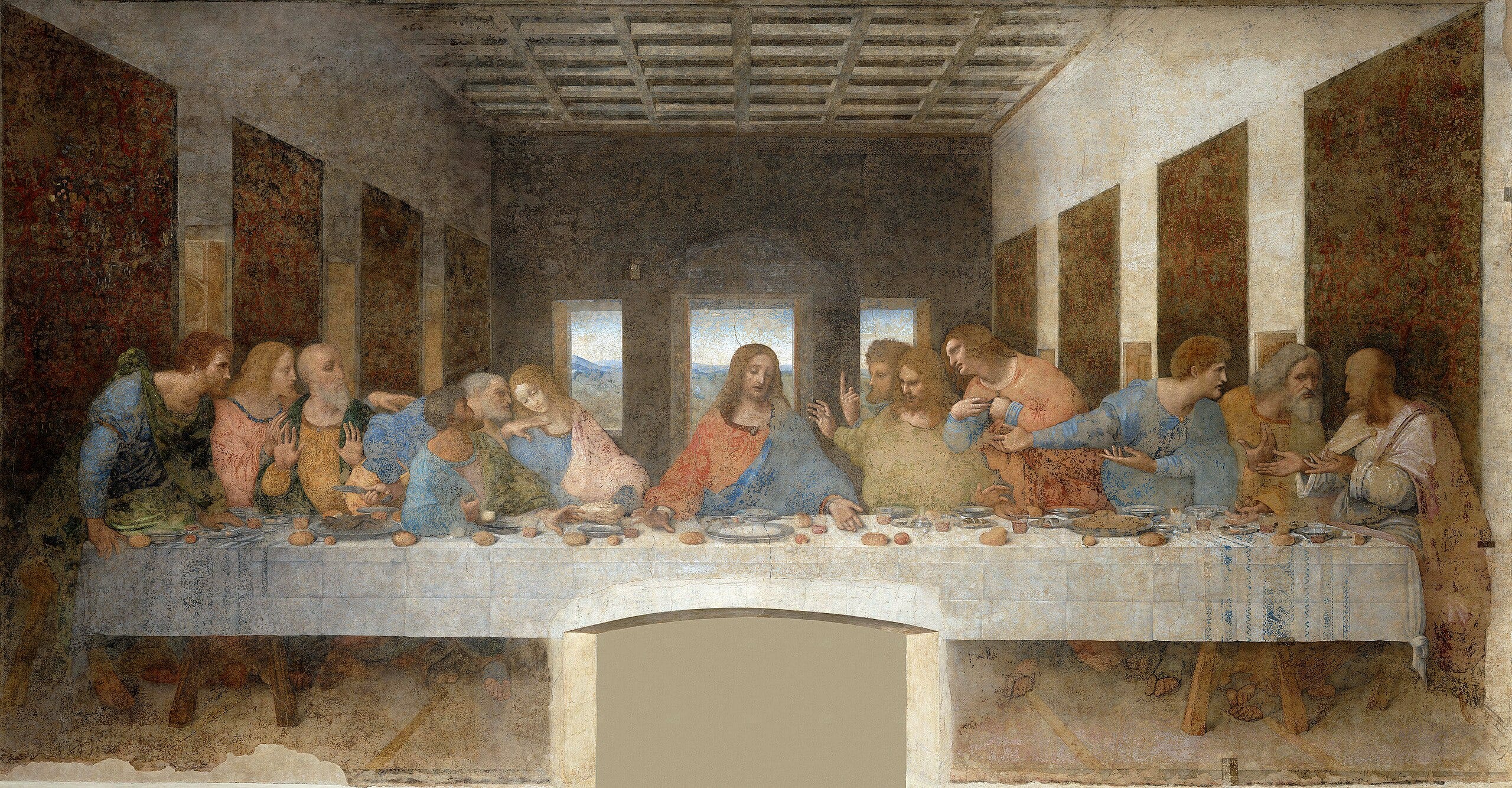
The Paris Olympics kicked off this past week, and as art lovers, we have to talk about the opening ceremony. The ceremony was widely praised by the French press, though it received backlash from the Catholic Church due to a tableau of drag queens that allegedly mimics Leonardo da Vinci’s The Last Supper (1495-1498).
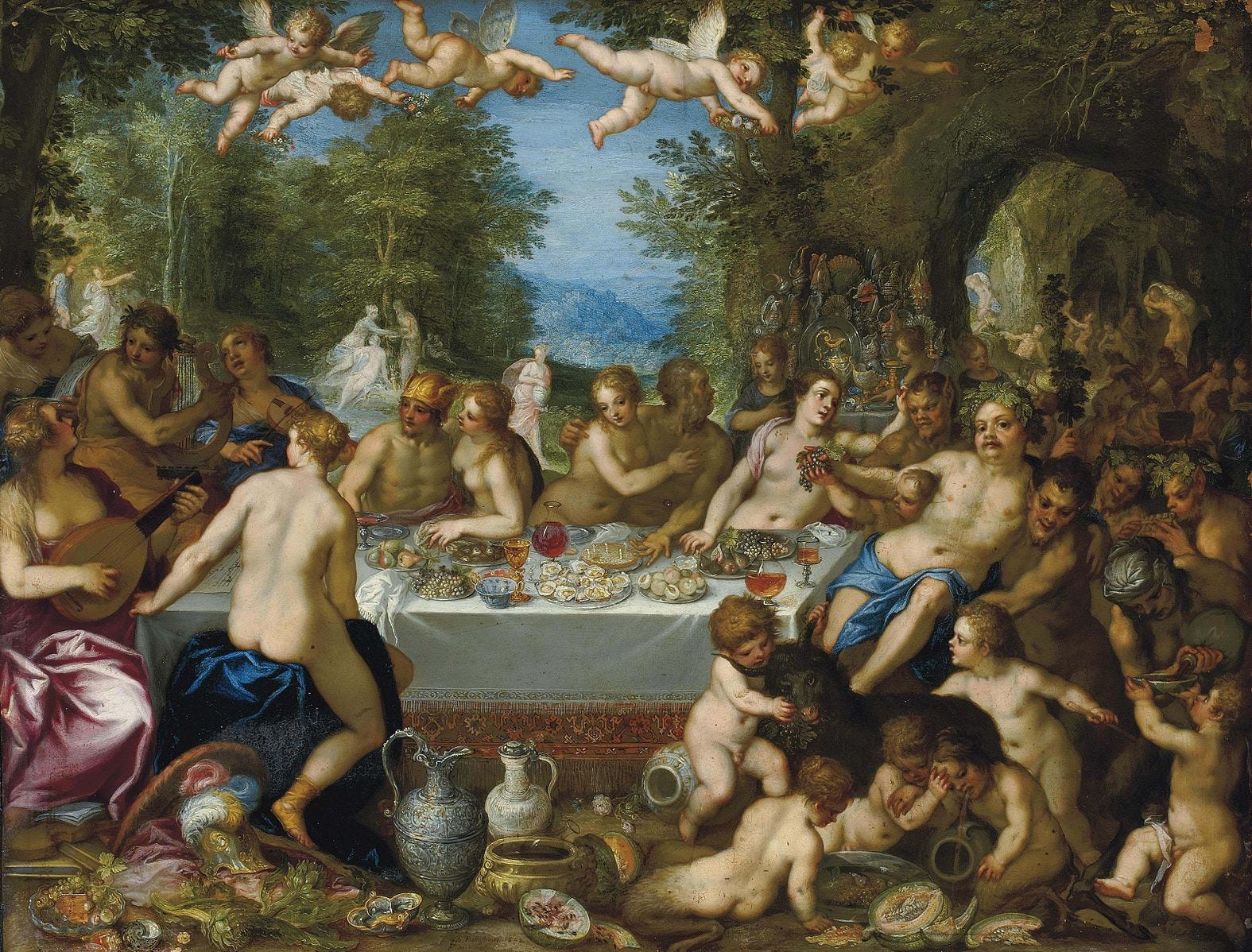
Organizers apologized for any offense this may have caused, though they stated that the tableau was not inspired by The Last Supper, but by Johann “Gio” Rottenhammer and Jan Bruegel the Elder’s The Feast of the Gods (1602). In an interview with CNN, opening ceremony director Thomas Jolly stated:
Dionysus arrives at the table because he is the Greek God of celebration and that sequence is called ‘festivity.’ The God of wine, which is also a French jewel and father of Sequana, the Goddess linked to the River Seine. The idea was to create a big pagan party in link with the God of Mount Olympus — and you will never find in me, or in my work, any desire of mocking anyone.
_-_The_Last_Supper_(1495-1498).jpg)
.jpg)
The Olympic games were an invention of the ancient Greeks. (Cue my father: “Everything was invented by the Greeks!”) And the ancient Greeks were, of course, polytheistic, making Dionysus’s cameo apropos. Looking at the original tableau, it does appear similar to both paintings, and without the obvious central figure of Dionysus, it would be difficult to discern which was referenced. However, the crowded Olympian scene does more closely mirror the tumultuous Feast of the Gods, which does make me think that Jolly was being sincere in his statement. What do you all think? Did you love it or hate it?
One very heavy metal moment from the opening ceremony featured headless Marie Antoinette puppets, displayed from the balconies of the Conciergerie, where she was imprisoned during the French Revolution. France’s ill-fated queen is actually the subject of our next Patron Podcast episode, and we’ll delve into details of her life soon. (Was she a villain or a victim? Both?)
As one Parisian spectator, Alain Vigent, told The Guardian, “[The ceremony] was like us, really: a joyful, contradictory, rather chaotic mess.”
A massive international crackdown on art trafficking leads to 85 arrests and thousands of objects recovered.
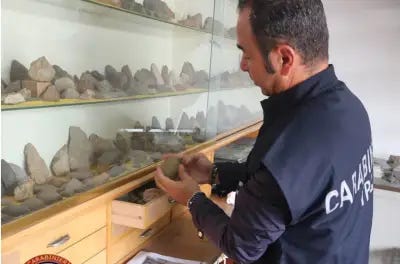
Led by the Spanish Guardia Civil and supported by Europol and INTERPOL, Operation Pandora VIII was successful this year in finding over 6,400 artworks and artifacts. Operation Pandora was first launched in 2016 as an annual law enforcement operation to tackle the issue of art trafficking (a massive, tangled web of crimes that we’ve covered extensively in the Roundup). Making it all happen means thousands of checks at airports, museums, private residences, border crossings, and ports.
But I know what you’re thinking: what did they find?
One of the most prominent cases involved the trafficking of Scythian gold artifacts worth over $65 million, and another included a collection of 350 ceramic, lithic, and metal pieces from a variety of archaeological periods. Other finds included ancient Greek amphorae, ancient coins, 19th century statues stolen from churches, and more.
Two updates on previous stories involving Stonehenge and Venice:
This February, I shared the news that British activists had lost their legal battle against the construction of a two-mile tunnel near Stonehenge.
Back in 2021, the United Kingdom’s High Court ruled against a plan to build a traffic tunnel near Stonehenge due to environmental concerns. But the plan was approved once again on July 14th, 2023 by the Department for Transport. The U.K.’s National Highways agency has argued that the tunnel project will actually reduce the sound of traffic near the popular tourist destination.
Nevertheless, some folks aren’t too happy about it. After warnings from UNESCO about potential damage to the site (resulting in Stonehenge being placed on UNESCO’s list of endangered heritage sites for the first time ever), the Save Stonehenge World Heritage Site group brought the case again before the High Court. This time, they lost.
UNESCO has since backtracked the decision and declined to put Stonehenge on the “World Heritage Endangered” list—at least, not yet. UNESCO plans to delay any determination on the issue, and will revisit it in 2026. The proposed tunnel remains controversial; as Chris Todd, the director of Transport Action Network, told the Art Newspaper, the tunnel could cause “permanent and irreversible harm according to the five planning inspectors who recommended it be refused [in 2020].”
The U.K.’s National Highways governmental body continues to deny this claim. As I’ve said before, engineering is so far outside of my wheelhouse that I wouldn’t know where to begin with this conundrum. My (highly uninformed) instinct is that the tunnel is a bad idea. As per usual, I will side with the little guy.
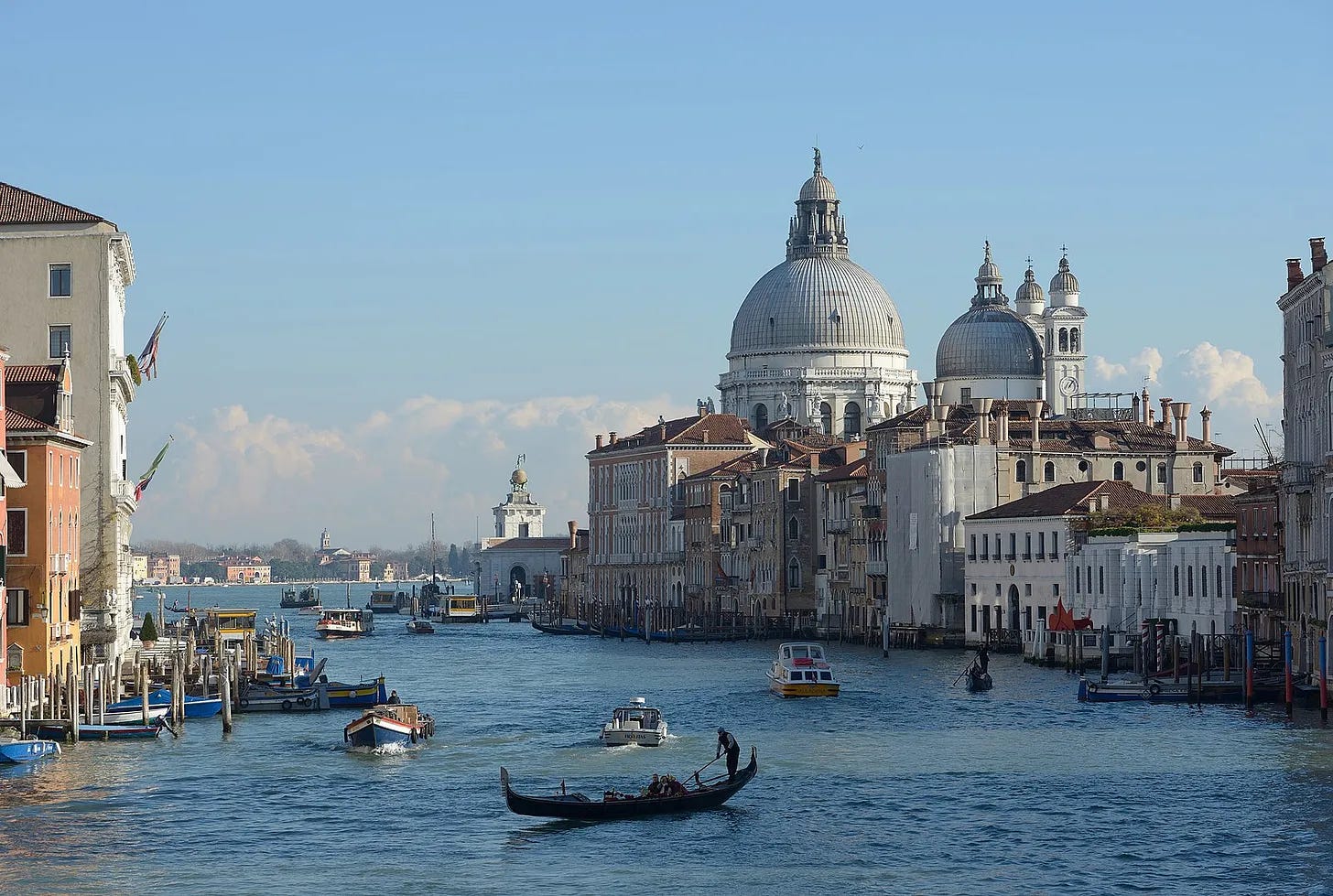

In other news, you may recall this story from April, in which the city of Venice announced a €5 entrance fee for day-trippers. Those staying overnight don’t have to pay, but they must register online with the details of their trip. This was another highly controversial move, as locals feared this would all but transform their beloved city into a theme park.
According to ARTnews, the fee “was applied on 29 dates from April to mid-July, mostly on national holidays and weekends. It generated €2.43 million from 485,000 payments more than tripling the initial estimate of €700,000.”
While the fee has succeeded in generating extra income for the city, it has not stopped the problem of overtourism. (Did anyone actually think that someone would cancel their plans to visit Venice because of five euros?) My hope is that city officials will put the money to good use. And if you do happen to find yourself in Italy, I always recommend staying in Venice overnight if you can. The city absolutely transforms once the cruise ships sail away.
And finally, the New York City Ballet turns 75 years old.
I enjoyed this profile from CBS Sunday Morning as the greatest American ballet company celebrates its 75th anniversary. I’ve always loved ballet and watch far too little of it, so this video helped to reignite my interest.